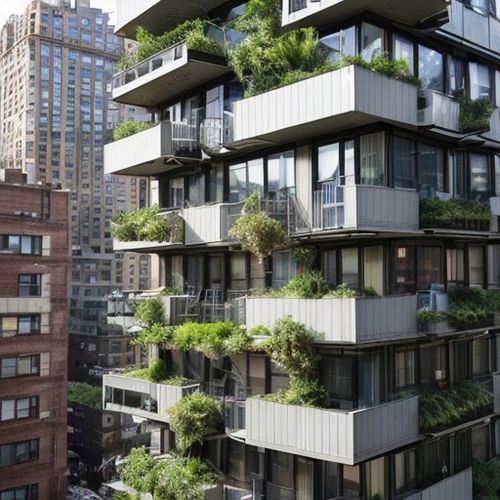
New York City has long been a pioneer in urban innovation, and its latest venture into vertical greening for small apartments is no exception. As space becomes an increasingly precious commodity, architects and urban planners are turning their attention upward, transforming bare walls and cramped balconies into lush, green oases. This movement isn’t just about aesthetics—it’s a response to the growing need for sustainable living solutions in one of the world’s most densely populated cities.
The concept of vertical gardening isn’t entirely new, but its application in New York’s compact living spaces presents unique challenges and opportunities. Unlike sprawling suburban gardens, these green installations must be meticulously designed to thrive in limited square footage while maximizing environmental benefits. From modular planters that cling to fire escapes to hydroponic systems tucked into studio apartments, the solutions are as diverse as the city itself.
Why the sudden push for vertical greenery? The answer lies in a combination of factors. Climate change concerns have prompted city officials to explore ways to reduce the urban heat island effect, while residents increasingly crave connections to nature in their concrete jungle. Studies have shown that even small-scale greenery can improve air quality, reduce stress levels, and lower energy costs—all critical considerations for New Yorkers living in tight quarters.
One standout example can be found in a recently renovated walk-up in Brooklyn’s Williamsburg neighborhood. What was once a drab brick facade now bursts with color from seasonal flowers, herbs, and even small fruiting plants. The building’s residents report not just visual pleasure from their living wall, but tangible benefits like improved insulation during winter months and natural cooling in summer. Such case studies are fueling interest across the boroughs.
The technology behind these installations has evolved dramatically in recent years. Lightweight growing mediums, self-watering systems, and space-efficient plant selections have made vertical gardens more practical for renters and owners alike. Some companies now offer turnkey solutions with built-in irrigation and lighting, removing much of the guesswork for urban dwellers with limited gardening experience.
Of course, challenges remain. Building codes, structural limitations, and the city’s harsh winters all pose obstacles to widespread adoption. There’s also the question of maintenance—who tends to these elevated gardens when they’re installed in multi-unit buildings? Innovative partnerships between property managers, gardening services, and residents are emerging as one potential solution to this logistical hurdle.
Economic factors play a significant role in the vertical greening movement. While initial installation costs can be substantial, proponents argue that the long-term benefits outweigh the investment. Increased property values, energy savings, and potential tax incentives for green buildings create compelling financial arguments. Some forward-thinking developers are even marketing these features as premium amenities, recognizing their appeal to environmentally conscious tenants.
The psychological impact of these green spaces shouldn’t be underestimated either. In a city where many residents lack access to private outdoor space, vertical gardens provide a vital connection to nature. Therapists report that patients living in buildings with such installations describe feeling more grounded and less anxious—a phenomenon supported by numerous studies on biophilic design.
As the movement gains momentum, educational initiatives are sprouting up across the five boroughs. Workshops on small-space gardening, DIY vertical planter construction, and plant care are drawing crowds eager to greenify their homes. Community gardens are adapting their programming to include vertical growing techniques, recognizing that not everyone has the luxury of horizontal planting space.
Looking ahead, the vertical greening of New York’s small apartments appears poised for significant growth. With technological advancements making these systems more accessible and city policies increasingly supportive of sustainable urban development, what began as a niche trend is rapidly becoming mainstream. The concrete canyons of Manhattan and beyond may soon be known as much for their living walls as for their iconic skyline—a transformation that could redefine urban living for generations to come.
The implications extend beyond individual apartments. As more buildings incorporate vertical greenery, the cumulative effect could measurably impact the city’s microclimate, biodiversity, and overall sustainability. Researchers are closely monitoring these developments, recognizing New York as a living laboratory for urban ecological innovation.
For residents, the benefits are both immediate and far-reaching. There’s something profoundly hopeful about tending plants in a cramped apartment, watching life flourish against the odds. In a city that never sleeps, these vertical gardens stand as quiet testaments to resilience and adaptation—qualities that New Yorkers have always prized. As one resident tending her balcony garden of succulents and herbs put it: "It’s not much, but it’s mine—and it makes this crazy city feel a little more like home."
By Jessica Lee/Apr 14, 2025

By Michael Brown/Apr 14, 2025

By Michael Brown/Apr 14, 2025
By Emma Thompson/Apr 14, 2025
By Elizabeth Taylor/Apr 14, 2025
By Eric Ward/Apr 14, 2025
By Amanda Phillips/Apr 14, 2025

By Sarah Davis/Apr 14, 2025

By Emily Johnson/Apr 14, 2025
By Noah Bell/Apr 14, 2025
By Natalie Campbell/Apr 14, 2025
By Emma Thompson/Apr 14, 2025
By Sophia Lewis/Apr 14, 2025
By Natalie Campbell/Apr 14, 2025
By Samuel Cooper/Apr 14, 2025

By Thomas Roberts/Apr 14, 2025
By Benjamin Evans/Apr 14, 2025
By Eric Ward/Apr 14, 2025

By Olivia Reed/Apr 14, 2025
By Jessica Lee/Apr 14, 2025