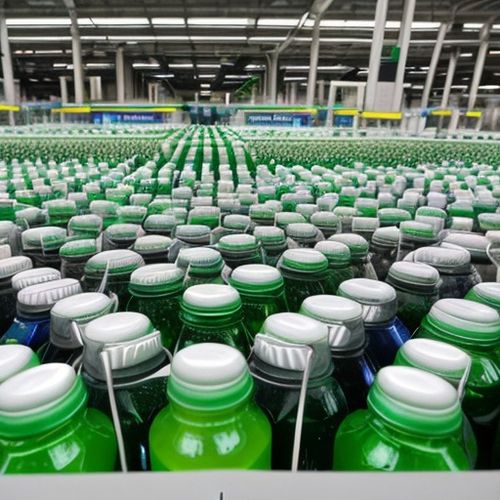
Germany’s deposit return system for plastic bottles is often hailed as one of the most efficient in the world. The process, known as Pfand, has become deeply ingrained in the country’s culture, encouraging consumers to return their empty bottles rather than discard them. The system not only reduces litter but also ensures a high rate of recycling, contributing to Germany’s reputation as a leader in environmental sustainability.
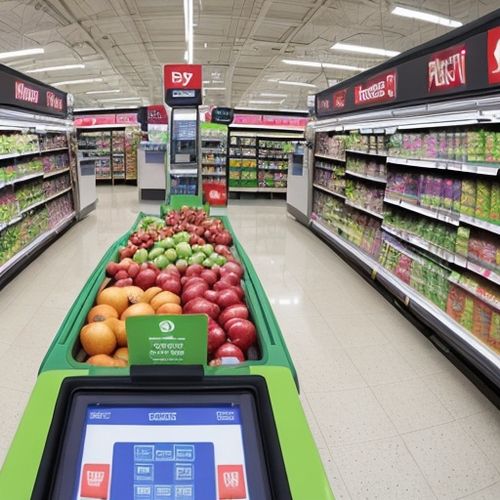
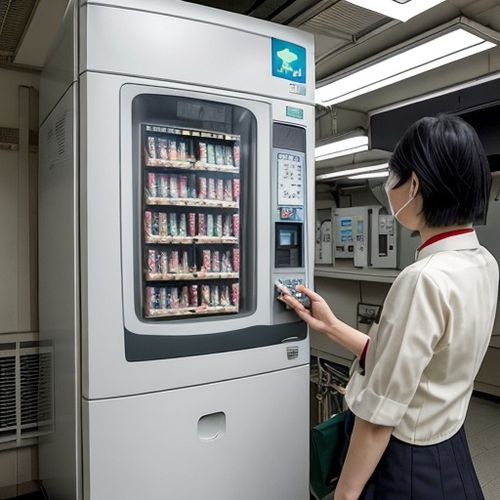
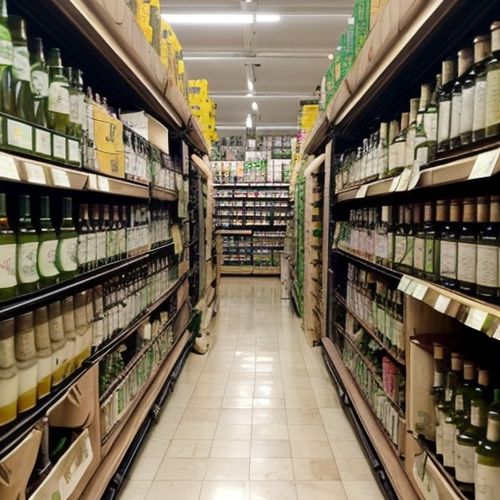
The concept is straightforward: when purchasing a bottled beverage, consumers pay a small deposit, typically ranging from 8 to 25 cents, depending on the container type. This deposit is refunded when the empty bottle is returned to a collection point. Supermarkets, beverage stores, and even some public spaces are equipped with reverse vending machines that scan and sort the bottles, issuing a receipt for the refund. The ease and accessibility of these machines make participation nearly effortless for consumers.
What sets Germany’s system apart is its comprehensive coverage. Nearly all single-use plastic bottles, as well as glass bottles and aluminum cans used for beverages, are included. The only exceptions are wine and spirits bottles, which are recycled through a separate system. This broad inclusion ensures that the majority of beverage containers are captured by the recycling loop, minimizing waste and maximizing material recovery.
The returned bottles undergo a rigorous sorting and cleaning process before being recycled. Plastic bottles, for instance, are shredded into flakes, washed, and melted down to produce new bottles or other plastic products. Glass bottles are cleaned and reused multiple times before being crushed and recycled into new glass items. The efficiency of this closed-loop system significantly reduces the demand for virgin materials, lowering the environmental footprint of beverage packaging.
Public awareness and participation play a crucial role in the system’s success. Germans are accustomed to the Pfand system from an early age, and returning bottles is seen as a civic duty rather than an inconvenience. Retailers also play their part by prominently displaying deposit information and ensuring that reverse vending machines are well-maintained and accessible. This collective effort has led to a return rate of over 98% for eligible containers, a figure that many other countries strive to emulate.
Despite its success, the system is not without challenges. One issue is the handling of bottles purchased in other EU countries, which may not carry a German deposit. These bottles often end up in the system anyway, creating minor logistical complications. Additionally, the cost of maintaining the infrastructure, including the reverse vending machines, is borne by retailers and beverage producers, who sometimes pass these expenses on to consumers in the form of slightly higher prices.
Looking ahead, Germany continues to refine its deposit return system. Recent discussions have focused on expanding the program to include more types of packaging, such as juice cartons, to further reduce waste. Innovations in recycling technology, such as improved sorting mechanisms and more efficient cleaning processes, are also being explored to enhance the system’s sustainability. As environmental concerns grow globally, Germany’s Pfand system serves as a model for how structured incentives and public engagement can drive meaningful change in waste management.
The environmental benefits of the system are undeniable. By keeping millions of plastic bottles out of landfills and incinerators each year, Germany significantly cuts down on pollution and resource consumption. The recycled materials also reduce the need for new plastic production, which is a major contributor to greenhouse gas emissions. In this way, the deposit return system aligns with broader climate goals, demonstrating how small, everyday actions can collectively make a substantial impact.
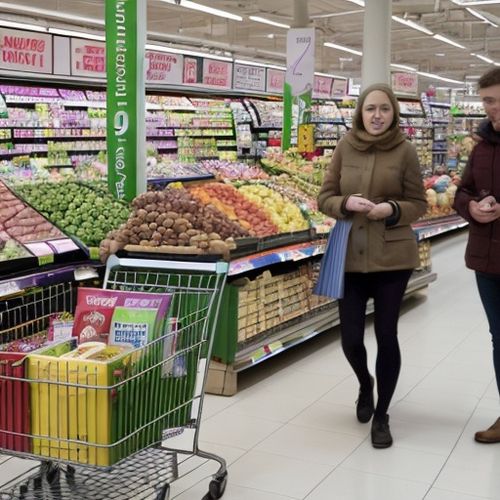
For visitors to Germany, the Pfand system can initially seem confusing, but it quickly becomes second nature. Tourists are often pleasantly surprised by the cleanliness of public spaces, a direct result of the high return rates for bottles and cans. The system’s success has inspired similar initiatives in other countries, though few have matched Germany’s efficiency and participation rates. As the world grapples with plastic pollution, the German model offers valuable lessons in how policy, infrastructure, and cultural habits can work together to create a sustainable solution.
By Jessica Lee/Apr 14, 2025

By Michael Brown/Apr 14, 2025
By Michael Brown/Apr 14, 2025
By Emma Thompson/Apr 14, 2025
By Elizabeth Taylor/Apr 14, 2025

By Eric Ward/Apr 14, 2025
By Amanda Phillips/Apr 14, 2025
By Sarah Davis/Apr 14, 2025

By Emily Johnson/Apr 14, 2025
By Noah Bell/Apr 14, 2025
By Natalie Campbell/Apr 14, 2025
By Emma Thompson/Apr 14, 2025

By Sophia Lewis/Apr 14, 2025
By Natalie Campbell/Apr 14, 2025
By Samuel Cooper/Apr 14, 2025
By Thomas Roberts/Apr 14, 2025
By Benjamin Evans/Apr 14, 2025

By Eric Ward/Apr 14, 2025

By Olivia Reed/Apr 14, 2025

By Jessica Lee/Apr 14, 2025