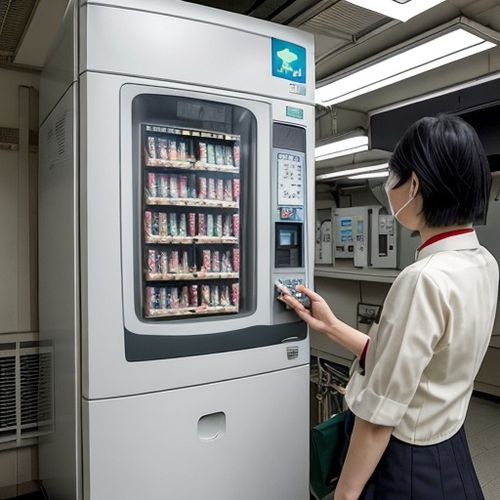
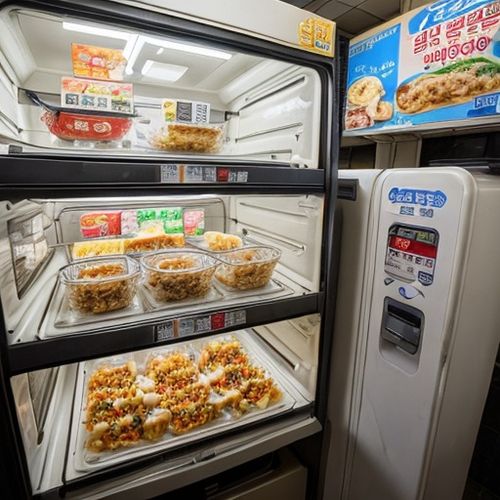
Japan’s vending machine culture is a fascinating blend of convenience and innovation. These ubiquitous machines, found on nearly every street corner, offer everything from hot coffee to chilled beverages and even fresh meals. However, with thousands of machines operating around the clock, energy consumption has become a pressing concern. In response, manufacturers and businesses have developed sophisticated energy-saving modes to reduce electricity usage without compromising service. This shift reflects Japan’s broader commitment to sustainability and technological efficiency.
The evolution of energy-saving vending machines in Japan is a testament to the country’s ability to balance tradition with modernity. Early models ran continuously, maintaining products at optimal temperatures regardless of external conditions. This approach, while reliable, was incredibly wasteful. Over time, advancements in sensor technology and insulation materials allowed for smarter operation. Today’s machines can detect human presence, adjust cooling or heating based on ambient temperature, and even enter standby mode during low-traffic hours. These innovations have significantly cut energy costs while maintaining the convenience customers expect.
One of the most impactful features is the use of LED lighting and low-power displays. Traditional fluorescent lights and bright signage were major energy drains, especially at night. By switching to LEDs and incorporating motion-activated lighting, modern vending machines consume far less electricity. Some models even use solar panels or energy-efficient refrigeration systems to further reduce their environmental footprint. These changes may seem small individually, but when multiplied across Japan’s millions of vending machines, the cumulative effect is substantial.
The role of government regulations cannot be overlooked in this transition. Japan’s Energy Conservation Act and other policies have pushed manufacturers to prioritize efficiency. Incentives for businesses to adopt eco-friendly machines have accelerated the shift, ensuring that even small operators can participate in sustainability efforts. This regulatory framework has been crucial in making energy-saving technologies the industry standard rather than a niche luxury.
Public perception and consumer behavior have also played a part in driving these changes. Japanese consumers are increasingly environmentally conscious, and many prefer to support businesses that demonstrate a commitment to sustainability. Vending machine operators have responded by highlighting their energy-saving features in marketing campaigns, turning what was once a behind-the-scenes adjustment into a selling point. This alignment of economic and ecological incentives has made the transition smoother and more widespread.
Looking ahead, the future of vending machines in Japan is likely to involve even greater integration of smart technologies. Concepts like AI-driven demand prediction, dynamic pricing based on energy usage, and connectivity with renewable energy grids are already being tested. These advancements promise to further reduce waste and improve efficiency, ensuring that Japan’s vending machine culture remains vibrant in an era of growing environmental awareness.
The story of Japan’s energy-saving vending machines is more than just a technical achievement—it’s a reflection of societal values and adaptability. By embracing innovation and prioritizing sustainability, Japan has shown that even the most entrenched aspects of daily life can evolve to meet contemporary challenges. As other countries grapple with similar issues, Japan’s example offers valuable lessons in balancing convenience, commerce, and conservation.
By Jessica Lee/Apr 14, 2025
By Michael Brown/Apr 14, 2025
By Michael Brown/Apr 14, 2025
By Emma Thompson/Apr 14, 2025
By Elizabeth Taylor/Apr 14, 2025

By Eric Ward/Apr 14, 2025
By Amanda Phillips/Apr 14, 2025

By Sarah Davis/Apr 14, 2025

By Emily Johnson/Apr 14, 2025
By Noah Bell/Apr 14, 2025
By Natalie Campbell/Apr 14, 2025
By Emma Thompson/Apr 14, 2025

By Sophia Lewis/Apr 14, 2025

By Natalie Campbell/Apr 14, 2025
By Samuel Cooper/Apr 14, 2025

By Thomas Roberts/Apr 14, 2025

By Benjamin Evans/Apr 14, 2025
By Eric Ward/Apr 14, 2025

By Olivia Reed/Apr 14, 2025

By Jessica Lee/Apr 14, 2025