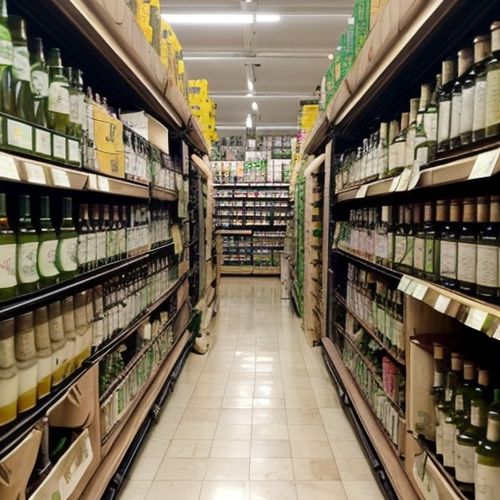
Walking down the olive oil aisle in an Italian supermarket can feel like navigating a culinary treasure map. The sheer variety of bottles, labels, and designations might overwhelm even seasoned shoppers. Yet understanding the subtle language of these labels unlocks the secret to bringing authentic Mediterranean flavors into your kitchen.
The first thing you'll notice is the prominence of DOP (Denominazione di Origine Protetta) and IGP (Indicazione Geografica Protetta) seals. These aren't mere marketing ploys - they're legally protected badges of origin and quality. A DOP label means every step of production, from olive cultivation to bottling, occurred in a specific region using traditional methods. IGP indicates at least one production stage took place in the designated area, offering slightly more flexibility while maintaining geographic authenticity.
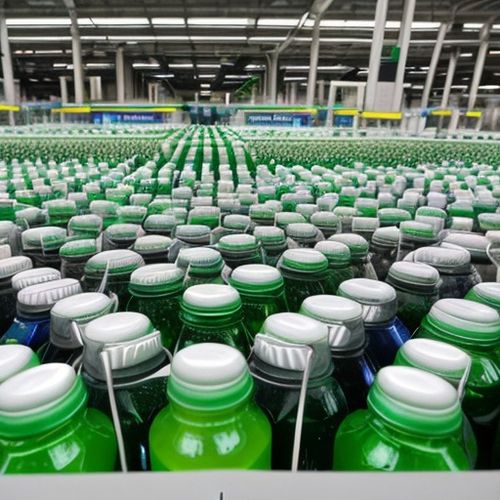
Color plays a surprisingly informative role in Italian olive oil selection. While many assume darker glass indicates higher quality, the truth is more nuanced. Emerald-green oils often come from early harvest olives, delivering that distinctive peppery finish prized by connoisseurs. Golden-yellow varieties typically derive from riper olives, yielding milder flavors perfect for delicate dishes. Smart producers use tinted glass not as a status symbol, but to protect their product from light degradation - a crucial detail often overlooked by casual buyers.
The harvest date stamped on premium bottles tells a story many miss. Unlike wine, olive oil doesn't improve with age. Freshness matters tremendously, with the most vibrant flavors appearing in the first 12 months after pressing. Italians pay close attention to these dates, knowing that last season's oil, no matter how well preserved, can't match the lively character of a recent harvest. This explains why small-batch producers highlight harvest dates prominently while mass-market brands often obscure them in tiny print.
Acidity levels stated on labels create confusion for international shoppers. Contrary to popular belief, lower acidity doesn't necessarily mean better taste. The acidity percentage refers to oleic acid content, indicating the oil's chemical stability and freshness at bottling. While extra virgin olive oil must legally contain less than 0.8% acidity to earn its classification, the most flavorful oils often sit between 0.2% and 0.5%. This sweet spot represents olives processed quickly after harvesting at optimal ripeness.
Regional differences manifest strikingly in Italian olive oils. Tuscan oils tend toward robust, artichoke-like flavors with noticeable bitterness. Ligurian varieties near the French border produce buttery, mild oils perfect for seafood. Puglia's massive output creates versatile oils with balanced fruitiness, while Sicilian oils often carry distinctive tomato leaf notes. These characteristics stem from unique microclimates and olive cultivars that have evolved over centuries - knowledge that transforms shopping from a chore into a cultural exploration.
The back label often hides the most telling information. Phrases like "spremuto a freddo" (cold-pressed) or "estratto a freddo" (cold-extracted) confirm the oil never exceeded 27°C during production, preserving delicate aromas. The milling method - whether traditional stone mills or modern stainless steel centrifuges - also affects flavor profiles. Discerning shoppers look for cooperative ("frantoio") markings, indicating oils pressed at shared community mills where small growers combine harvests, often yielding exceptional quality at reasonable prices.
Price remains the least reliable indicator of quality in Italian supermarkets. While premium oils certainly command higher prices, many mid-range options outperform their extravagant counterparts. The secret lies in avoiding both the cheapest options (often blended with non-Italian oils) and overpriced "designer" bottles. Instead, look for the markers of authenticity mentioned earlier - you'll frequently find excellent oils at €10-€20 per liter that put most restaurant offerings to shame.
Storage conditions in the store itself offer final clues to quality. Properly stocked shelves keep olive oil away from direct light and heat sources. If you find bottles collecting dust in sunny display windows, move along - no matter how attractive their labels appear. The best shops often keep premium oils in temperature-controlled cabinets or dark corners, understanding that protection from oxidation begins long before the oil reaches your pantry.
Italian supermarkets increasingly include taste-testing stations, particularly during autumn harvest season. These aren't mere sales gimmicks but essential tools for education. The ritual of warming the cup in your palms, inhaling the aroma, then slurping the oil to aerate it might feel theatrical, but it reveals nuances no label can convey. That moment when the oil stings your throat with pleasant pepperiness confirms you've found the real deal - an authentic extra virgin experience worth savoring.

By Jessica Lee/Apr 14, 2025

By Michael Brown/Apr 14, 2025

By Michael Brown/Apr 14, 2025
By Emma Thompson/Apr 14, 2025

By Elizabeth Taylor/Apr 14, 2025

By Eric Ward/Apr 14, 2025

By Amanda Phillips/Apr 14, 2025
By Sarah Davis/Apr 14, 2025
By Emily Johnson/Apr 14, 2025
By Noah Bell/Apr 14, 2025
By Natalie Campbell/Apr 14, 2025
By Emma Thompson/Apr 14, 2025
By Sophia Lewis/Apr 14, 2025
By Natalie Campbell/Apr 14, 2025
By Samuel Cooper/Apr 14, 2025
By Thomas Roberts/Apr 14, 2025
By Benjamin Evans/Apr 14, 2025

By Eric Ward/Apr 14, 2025

By Olivia Reed/Apr 14, 2025

By Jessica Lee/Apr 14, 2025