Singapore’s public housing system, known as Housing and Development Board (HDB) flats, is a cornerstone of the nation’s urban planning and social policy. The meticulous design and regulation of shared spaces within these estates reflect the government’s commitment to fostering community harmony and efficient land use. Public spaces in HDB estates are not merely functional; they serve as vital communal hubs where residents interact, children play, and neighbors build relationships. Understanding the rules governing these spaces is essential for maintaining order and ensuring that everyone can enjoy these areas equitably.
The use of void decks, a distinctive feature of HDB flats, is a prime example of how public spaces are carefully managed. These open-air ground-level areas are designed for casual gatherings, religious ceremonies, and community events. However, strict guidelines dictate their usage to prevent disruptions. For instance, residents must obtain permits for large-scale events, and noise levels are closely monitored to avoid disturbing those living nearby. The void deck’s versatility underscores its importance in daily life, but its regulation ensures that it remains a shared asset rather than a source of conflict.
Another critical aspect of public space management in HDB estates involves the upkeep of common corridors and stairwells. While these areas are technically public, they are often treated as extensions of private living spaces. Residents are discouraged from placing personal belongings in these walkways, as doing so can obstruct emergency exits and create fire hazards. Enforcement officers conduct regular inspections to ensure compliance, and repeated violations may result in fines. This balance between personal convenience and public safety is a recurring theme in Singapore’s approach to communal living.
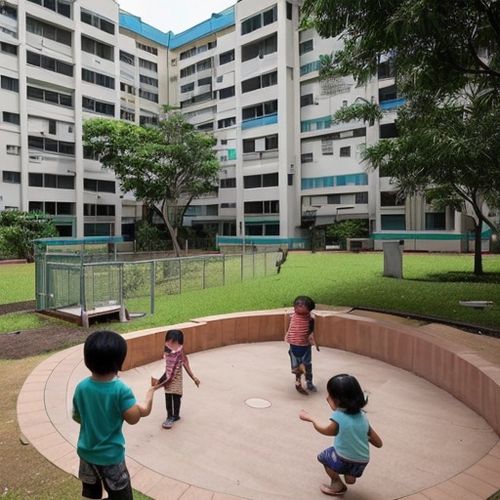
Playgrounds and fitness corners are also subject to clear usage guidelines. These facilities are designed to promote health and social interaction, but their accessibility comes with responsibilities. Users are expected to adhere to posted operating hours, typically from early morning until late evening, to minimize noise pollution. Additionally, vandalism or misuse of equipment can lead to severe penalties, reflecting the zero-tolerance policy toward actions that compromise public property. By maintaining these standards, HDB ensures that recreational spaces remain safe and enjoyable for all age groups.
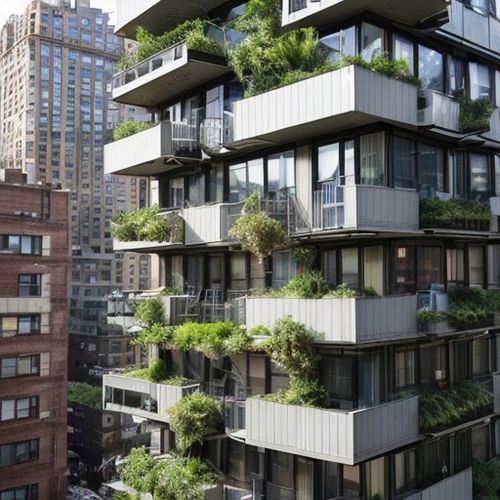
Green spaces and rooftop gardens, increasingly common in newer HDB developments, highlight Singapore’s emphasis on sustainability and livability. Residents are encouraged to participate in community gardening initiatives, but strict rules govern plant types and maintenance practices. The use of pesticides is heavily regulated to protect both the environment and public health. These green areas not only enhance the aesthetic appeal of housing estates but also foster a sense of collective stewardship among residents, reinforcing the idea that public spaces are a shared responsibility.
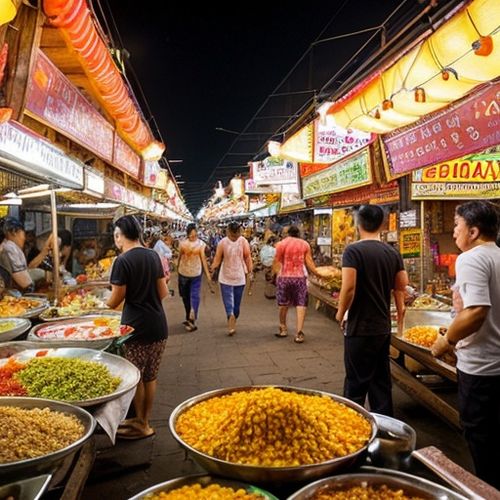
The management of hawker centers and wet markets within HDB estates further illustrates the careful balance between accessibility and regulation. These food hubs are iconic to Singapore’s culinary culture, but their operation is tightly controlled to ensure hygiene and fair access. Stallholders must comply with stringent cleanliness standards, and patrons are expected to clear their tables after meals. Such measures prevent overcrowding and maintain sanitary conditions, demonstrating how public spaces can thrive under well-defined rules.
Religious and cultural sensitivities are also considered in the governance of HDB public spaces. While residents are free to celebrate festivals and observe traditions, permits are required for large gatherings, and decorations must not impede common areas. This approach respects diversity while preventing conflicts, embodying Singapore’s multicultural ethos. The careful calibration of these policies ensures that public spaces remain inclusive and harmonious, even in densely populated neighborhoods.
Ultimately, the regulations surrounding HDB public spaces reflect a broader philosophy of collective well-being. By setting clear expectations and enforcing them consistently, Singapore has created an environment where public areas are both functional and welcoming. Residents play a crucial role in upholding these standards, as their cooperation ensures that shared spaces continue to serve the community effectively. The success of this system lies in its ability to blend strict governance with a spirit of mutual respect, making HDB estates a model for urban living worldwide.
By Jessica Lee/Apr 14, 2025

By Michael Brown/Apr 14, 2025
By Michael Brown/Apr 14, 2025
By Emma Thompson/Apr 14, 2025

By Elizabeth Taylor/Apr 14, 2025
By Eric Ward/Apr 14, 2025
By Amanda Phillips/Apr 14, 2025
By Sarah Davis/Apr 14, 2025

By Emily Johnson/Apr 14, 2025

By Noah Bell/Apr 14, 2025
By Natalie Campbell/Apr 14, 2025
By Emma Thompson/Apr 14, 2025
By Sophia Lewis/Apr 14, 2025

By Natalie Campbell/Apr 14, 2025
By Samuel Cooper/Apr 14, 2025

By Thomas Roberts/Apr 14, 2025
By Benjamin Evans/Apr 14, 2025
By Eric Ward/Apr 14, 2025
By Olivia Reed/Apr 14, 2025
By Jessica Lee/Apr 14, 2025