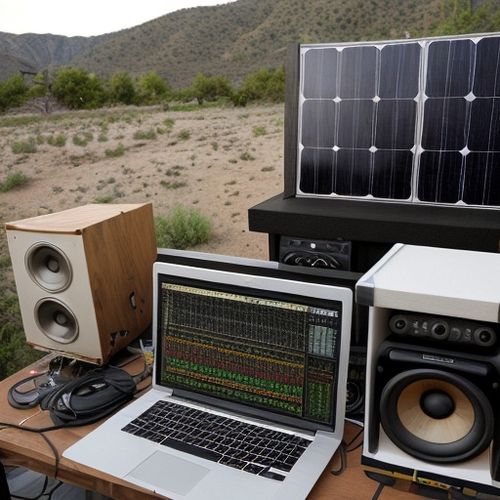
The concept of an off-grid solar-powered music studio represents a fascinating intersection of renewable energy and creative innovation. As the world shifts toward sustainable solutions, musicians and producers are exploring ways to reduce their carbon footprint without compromising on sound quality or workflow efficiency. The feasibility of such a setup depends on multiple factors, including energy requirements, equipment selection, and location-specific solar potential.
Energy demands in a music studio can vary significantly depending on the scale of operations. A small home studio with basic recording gear may consume anywhere between 500 to 1,500 watts during active sessions, while professional setups with multiple monitors, outboard gear, and climate control systems can easily exceed 3,000 watts. The challenge lies in designing a solar system that can handle peak loads while maintaining consistent power delivery for delicate audio equipment. Voltage fluctuations and power inconsistencies common in off-grid systems pose particular risks to sensitive digital audio workstations and analog gear.
Battery storage solutions become critical when considering nighttime operations or periods of low sunlight. Lithium-ion phosphate (LiFePO4) batteries have emerged as the preferred choice for solar studios due to their longer lifespan, deeper discharge capabilities, and stable power output compared to traditional lead-acid alternatives. A properly sized battery bank must account for not just daily usage patterns but also seasonal variations in solar input, requiring careful calculation of both kilowatt-hour capacity and discharge rates.
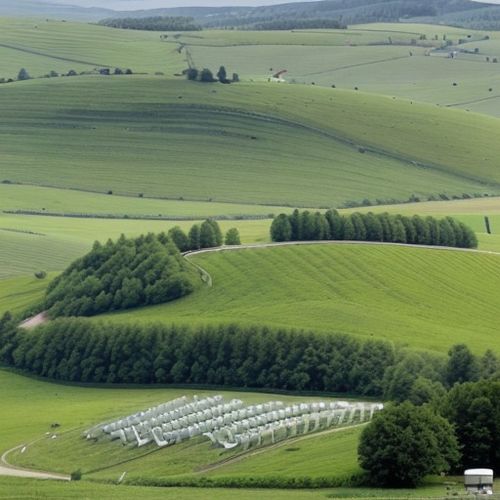
The physical space required for solar panels often surprises first-time planners. To power a modest studio, approximately 200-400 square feet of south-facing roof space or ground-mounted array might be necessary, depending on panel efficiency and local solar irradiance. Thin-film solar technology offers interesting possibilities for integration into studio buildings themselves, potentially turning walls or awnings into power-generating surfaces without requiring additional land use.
Acoustic considerations introduce unique challenges in solar studio design. Traditional soundproofing techniques often rely on mass-loaded barriers that can complicate solar panel installation and maintenance. Innovative approaches include using solar canopy structures that double as acoustic buffers or incorporating photovoltaic materials into specially designed noise-reducing exterior panels. The balance between energy capture and acoustic isolation requires creative engineering solutions tailored to each studio's specific needs.
Equipment selection plays a pivotal role in determining the success of an off-grid studio. Energy-efficient class-D amplifiers, solid-state drives instead of spinning hard disks, and LED lighting can dramatically reduce power consumption. Many producers are rediscovering the benefits of analog tape machines and tube gear, which while power-hungry, often prove more tolerant of slight voltage variations than sensitive digital converters and computers. The growing market of DC-powered audio equipment specifically designed for off-grid use presents exciting opportunities for solar studio builders.
Climate considerations affect both energy production and studio operations. In hotter regions, substantial energy may need diverting to cooling systems to maintain optimal conditions for both equipment and human comfort. Conversely, colder climates present challenges with battery efficiency and potential snow cover on panels. The microclimate around the studio location - including tree cover, fog patterns, and seasonal weather variations - must be thoroughly analyzed during the planning stages.
The financial equation of solar-powered studios has become increasingly favorable as photovoltaic technology costs continue to decline while energy prices fluctuate. While the initial investment remains substantial, the long-term savings on utility bills combined with potential tax incentives and grants for renewable energy projects can make the proposition economically viable. Many artists also find value in the marketing potential of operating a truly green creative space, appealing to environmentally conscious collaborators and audiences.
System redundancy emerges as a crucial consideration for professional operations where power interruptions could mean lost sessions or damaged equipment. Hybrid systems that incorporate a small backup generator or grid-tie capability provide peace of mind during extended periods of poor sunlight. Smart energy management systems that prioritize critical studio functions during low-power situations can mean the difference between completing a take and losing creative momentum.
Real-world examples of successful solar studios demonstrate the concept's viability. From remote desert recording facilities in Arizona to forest retreat studios in Scandinavia, innovative solutions have emerged to address location-specific challenges. These pioneers have developed best practices for everything from panel cleaning schedules that don't interfere with recording sessions to optimal battery placement that minimizes electromagnetic interference with audio signals.
The psychological and creative impacts of working in an energy-independent studio shouldn't be underestimated. Many artists report heightened focus and inspiration when freed from the electrical grid's constraints, developing new workflows that align with natural daylight cycles. The intentionality required to monitor and manage power usage often leads to more deliberate creative processes and breaks the always-on mentality prevalent in modern production culture.
As battery technology advances and solar panel efficiency continues to improve, the feasibility of off-grid music production will only increase. What currently requires careful planning and compromise may soon become standard practice for environmentally conscious creators. The solar-powered studio represents more than just technical innovation - it's a philosophical shift toward sustainable creativity that aligns artistic expression with ecological responsibility.
By Emily Johnson/Apr 14, 2025
By Laura Wilson/Apr 14, 2025
By Sophia Lewis/Apr 14, 2025
By Olivia Reed/Apr 14, 2025

By Amanda Phillips/Apr 14, 2025
By Victoria Gonzalez/Apr 14, 2025
By Samuel Cooper/Apr 14, 2025
By Thomas Roberts/Apr 14, 2025
By Jessica Lee/Apr 14, 2025
By Noah Bell/Apr 14, 2025
By Ryan Martin/Apr 14, 2025

By John Smith/Apr 14, 2025

By Lily Simpson/Apr 14, 2025

By William Miller/Apr 14, 2025
By Eric Ward/Apr 14, 2025

By Megan Clark/Apr 14, 2025

By Ryan Martin/Apr 14, 2025
By Noah Bell/Apr 14, 2025
By Lily Simpson/Apr 14, 2025

By Sarah Davis/Apr 14, 2025