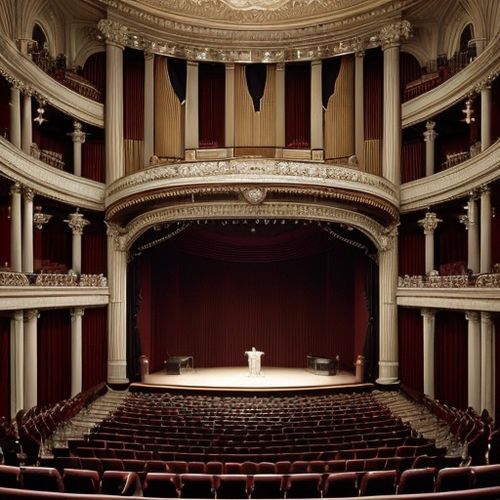
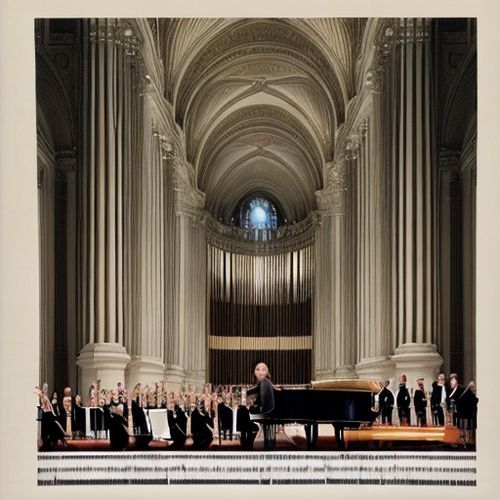
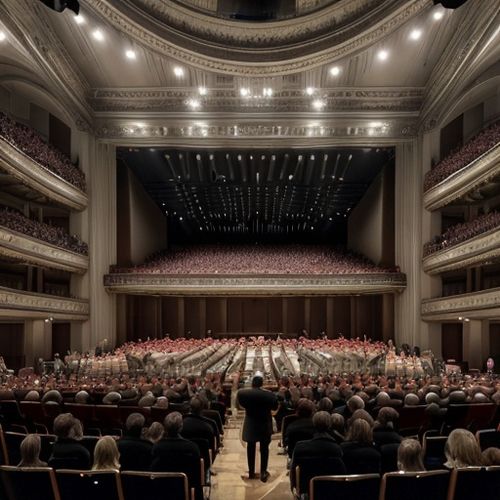
The operatic stage has witnessed a fascinating acoustic evolution over the past century, with one particularly striking phenomenon being the gradual rise in soprano vocal ranges. Musicologists have observed that the average tessitura for sopranos in opera houses has climbed approximately three semitones since the early 20th century, creating both new artistic possibilities and fresh challenges for composers and performers alike.
This upward creep in vocal ranges manifests most clearly when comparing historical recordings with contemporary performances. Where early 20th-century sopranos might have struggled with sustained high C's, today's leading ladies routinely navigate passages hovering around F6 without apparent strain. The change becomes particularly evident when examining revivals of standard repertoire - many traditional arias now sound brighter and more brilliant than their creators might have envisioned.
The reasons behind this vocal escalation form a complex tapestry of interrelated factors. Improved vocal pedagogy certainly plays a significant role, with modern voice teachers possessing a better understanding of vocal physiology and healthier technique. The development of microphone technology and recording standards has also influenced this trend, as singers no longer need to force their middle registers to project over orchestras in large houses.
Changes in compositional style have both driven and responded to this vocal evolution. The verismo movement of the late 19th century already began pushing voices higher with its emotional outbursts, while mid-20th century composers like Britten and Poulenc wrote specifically for the emerging high-lying capabilities. Contemporary opera continues this trajectory, with many new works featuring stratospheric writing that would have been unthinkable a century ago.
The physiological implications of this range expansion warrant serious consideration. While some purists argue that the modern high-flying approach sacrifices richness in the lower register, others counter that today's singers actually achieve greater timbral consistency across their expanded ranges. What's undeniable is that the vocal apparatus itself hasn't biologically changed - the difference lies entirely in refined technique and training methods.
This phenomenon hasn't developed in isolation. The tenor voice has experienced a parallel elevation, with the once-rare high C now considered standard equipment for leading roles. However, the soprano's ascent has been more pronounced, perhaps because the female voice can physiologically sustain extremely high notes with less apparent strain than male voices attempting equivalent feats.
Historical performance practice reveals how dramatically expectations have shifted. In Mozart's era, the Queen of the Night's famous high F's were considered extreme vocal athletics, while today they represent standard repertoire for many young sopranos. Similarly, bel canto roles that once defined the limits of vocal possibility now serve as vehicles for emerging artists rather than career capstones.
The impact on opera production has been profound. Revivals of classic works often feature transpositions upward to suit modern voices, while new productions must consider whether to present works in their original keys or adapt to contemporary capabilities. This creates fascinating artistic dilemmas about authenticity versus practicality in operatic performance.
Looking to the future, the question arises whether this upward trend will continue or eventually plateau. Some voice scientists suggest we may be approaching physiological limits, while others believe further refinement of technique could unlock even higher possibilities. What remains certain is that the soprano voice will continue evolving, just as it has throughout operatic history, reflecting changes in technology, taste, and our very understanding of vocal artistry.
By Emily Johnson/Apr 14, 2025
By Laura Wilson/Apr 14, 2025
By Sophia Lewis/Apr 14, 2025
By Olivia Reed/Apr 14, 2025

By Amanda Phillips/Apr 14, 2025
By Victoria Gonzalez/Apr 14, 2025
By Samuel Cooper/Apr 14, 2025
By Thomas Roberts/Apr 14, 2025
By Jessica Lee/Apr 14, 2025
By Noah Bell/Apr 14, 2025
By Ryan Martin/Apr 14, 2025

By John Smith/Apr 14, 2025

By Lily Simpson/Apr 14, 2025

By William Miller/Apr 14, 2025

By Eric Ward/Apr 14, 2025
By Megan Clark/Apr 14, 2025
By Ryan Martin/Apr 14, 2025

By Noah Bell/Apr 14, 2025
By Lily Simpson/Apr 14, 2025

By Sarah Davis/Apr 14, 2025