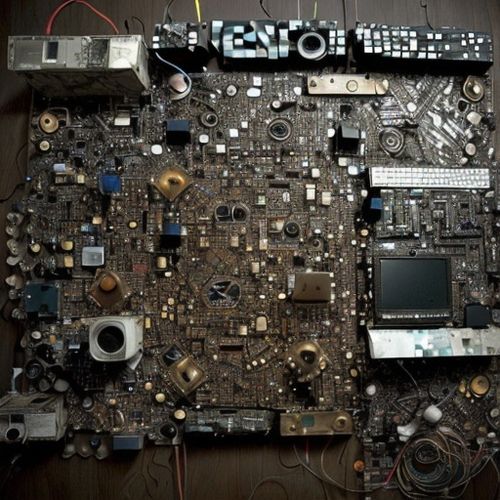
The intersection of electronic waste and artistic expression has given rise to a fascinating movement in contemporary art. Across the globe, innovative creators are transforming discarded circuit boards, broken keyboards, and obsolete gadgets into mesmerizing electronic music installations. This emerging art form not only challenges our perceptions of waste but also redefines the boundaries of sound creation.
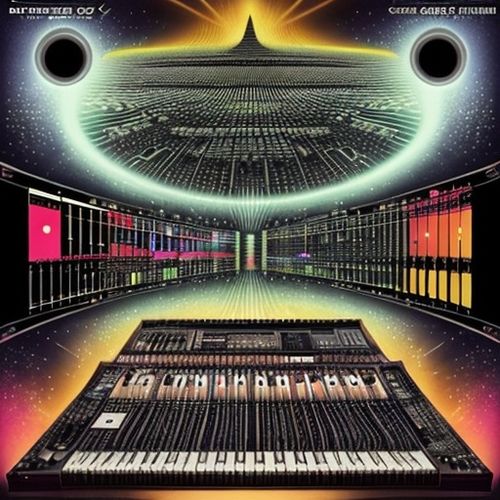
In backstreet workshops and high-tech studios alike, artists are dismantling the skeletons of our digital age to build entirely new instruments. These creations often blur the line between sculpture and musical device, where the physical form directly influences the sonic output. The act of repurposing e-waste becomes a commentary on consumer culture while simultaneously pushing the limits of experimental music.
The process typically begins with careful selection of components from recycling centers or donation piles. Artists look for items with particular aesthetic qualities or functional potential - circuit boards with interesting trace patterns, keyboards with mechanical switches, or speakers with unique resonant properties. Each component carries its own history and technical characteristics that will shape the final artwork.
Technical skill meets creative vision as artists modify and combine these electronic castoffs. Some incorporate microcontrollers like Arduino or Raspberry Pi to program interactive elements, while others rely on purely analog circuitry. The resulting installations might respond to audience movement, environmental changes, or follow pre-programmed compositions - all generating sound through their repurposed electronic anatomy.
What makes these creations particularly compelling is their inherent unpredictability. The imperfections and aging components of e-waste often produce glitchy, distorted tones that digital synthesizers struggle to replicate authentically. Artists frequently embrace these quirks, allowing the material's history to shine through in the music. A malfunctioning capacitor might become the source of rhythmic stuttering, or a damaged speaker cone could provide unexpected harmonic textures.
Several prominent artists have gained recognition for their work in this niche. Groups like Circuit Benders Collective create large-scale installations where visitors can interact with banks of modified electronics. Individual pioneers such as Gijs Gieskes have developed entire performance systems from scavenged parts, proving that e-waste instruments can hold their own in professional music contexts.
The environmental implications of this practice extend beyond simple recycling. By demonstrating the creative potential hidden in discarded electronics, these artists encourage viewers to reconsider what constitutes "waste." Educational workshops often accompany exhibitions, teaching participants how to breathe new life into their own obsolete devices rather than consigning them to landfills.
Technical challenges abound in this field. Artists must navigate the complexities of working with components not designed for their new purposes, often requiring inventive engineering solutions. Safety concerns around handling e-waste properly add another layer of consideration. Yet these very constraints frequently lead to breakthroughs in both artistic expression and technical innovation.
The aesthetic results vary wildly depending on the artist's approach. Some create brutalist constructions that proudly display their origins as junk, wires and components exposed. Others fashion sleek, polished sculptures that conceal their recycled nature until closer inspection. The sounds produced range from melodic to noise-based, sometimes within the same piece as different elements of the installation are activated.
This movement intersects with several broader trends in contemporary art and music. It shares the DIY ethos of punk culture, the environmental consciousness of eco-art, and the experimental spirit of the avant-garde. Yet it carves out its own unique space by making sustainability audible and giving physical form to electronic music's typically invisible processes.
As electronic devices continue to proliferate and obsolescence accelerates, the raw materials for this art form will only become more abundant. The artists working in this medium are not just creating compelling works - they're pointing toward a more creative, sustainable relationship with our technological ecosystem. Their work suggests that the soundtrack to our digital future might well be played on the reconstructed bones of its past.
By Emily Johnson/Apr 14, 2025
By Laura Wilson/Apr 14, 2025
By Sophia Lewis/Apr 14, 2025
By Olivia Reed/Apr 14, 2025

By Amanda Phillips/Apr 14, 2025
By Victoria Gonzalez/Apr 14, 2025
By Samuel Cooper/Apr 14, 2025
By Thomas Roberts/Apr 14, 2025

By Jessica Lee/Apr 14, 2025
By Noah Bell/Apr 14, 2025
By Ryan Martin/Apr 14, 2025

By John Smith/Apr 14, 2025

By Lily Simpson/Apr 14, 2025

By William Miller/Apr 14, 2025

By Eric Ward/Apr 14, 2025

By Megan Clark/Apr 14, 2025
By Ryan Martin/Apr 14, 2025
By Noah Bell/Apr 14, 2025
By Lily Simpson/Apr 14, 2025

By Sarah Davis/Apr 14, 2025